By The Sabatella Delair Group
When we sit down with a Pasadena seller, one of the first things we talk about is what a buyer's inspector will find. A pre-listing home inspection answers that before your home goes on the market. We have watched sellers in Bungalow Heaven, Linda Vista, and near Old Pasadena use inspection reports to set stronger prices and avoid renegotiation late in escrow. This guide explains how the process works and how we use it to protect your sale.
Key Takeaways
- A pre-listing home inspection is a seller-ordered review of your home's structure and major systems, completed before you list.
- Pasadena's older housing stock, from 1910s Craftsman homes to mid-century ranch houses, often has issues buyers will flag.
- Knowing your report early lets you choose whether to repair, offer a credit, or disclose.
- A pest inspection and a Natural Hazard Disclosure are part of a complete California sale package.
- The Sabatella Delair Group builds inspection strategy into every listing plan.
What a Pre-Listing Home Inspection Covers in Pasadena
A pre-listing inspection is a visual, non-invasive review by a licensed inspector who examines the home the same way a buyer's inspector would. The report gives you a clear picture of condition before the first showing.
Core Areas Inspectors Review
- Roof, gutters, and attic, including ventilation and insulation
- Foundation, crawl space, and visible framing
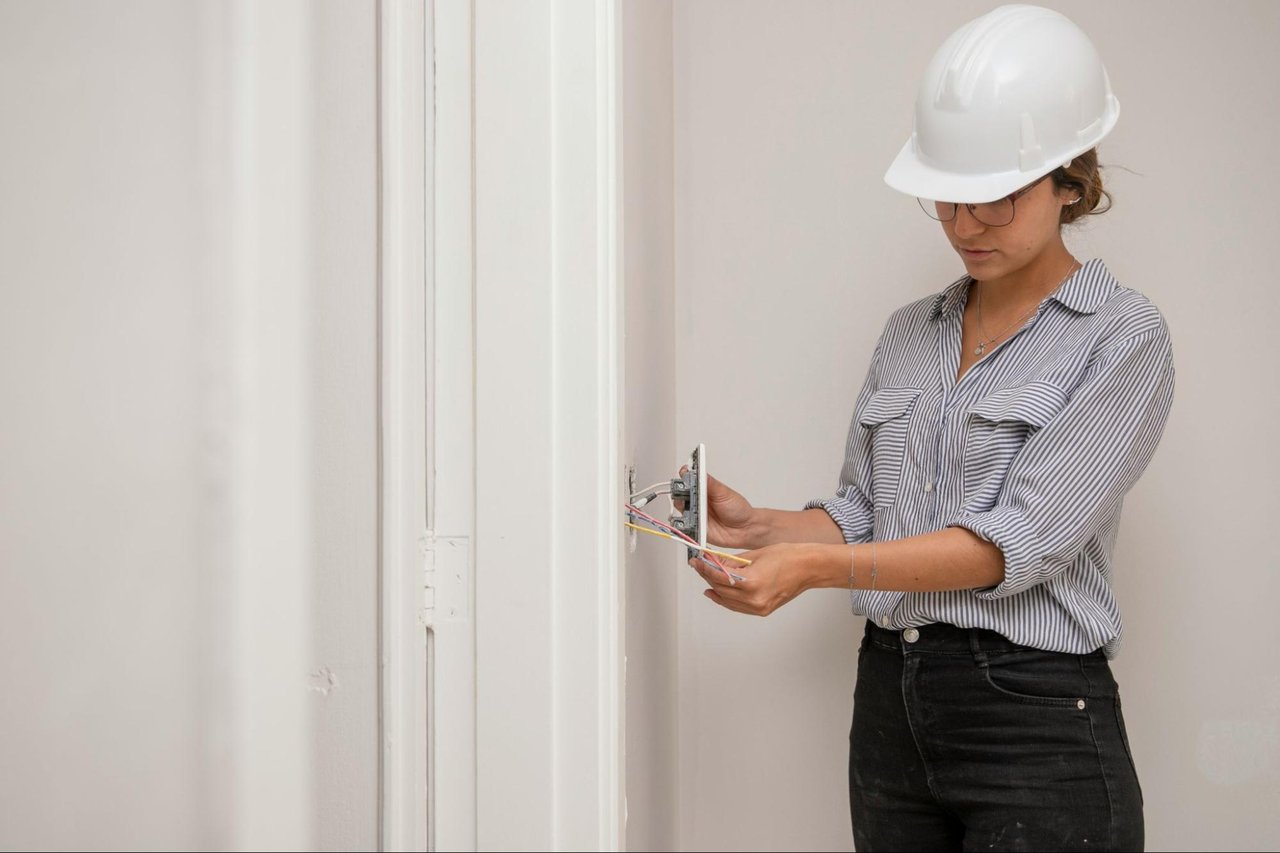
- Electrical panel, wiring, and grounding
- Plumbing supply lines, drains, and the water heater
- Heating and cooling systems
- Windows, doors, and interior surfaces
- Grading and drainage around the property
We also recommend a separate structural pest inspection, which is standard in California transactions and looks for termites and wood-damaging organisms.
Why Pasadena Homes Deserve a Closer Look
Pasadena has some of the most architecturally distinctive housing in Southern California. That character comes with age, and age brings specific inspection findings.
Common Findings by Home Type
- Craftsman bungalows in Bungalow Heaven and Madison Heights: original knob-and-tube wiring, galvanized plumbing, and raised foundations that may lack bolting.
- Spanish Revival and Mediterranean homes near Oak Knoll and San Rafael: aging clay sewer laterals, older stucco, and tile roofs with worn underlayment.
- Hillside homes in Linda Vista and along the Arroyo Seco: retaining walls, drainage, and slope-related foundation movement.
- Mid-century homes in Hastings Ranch: aging HVAC ducts, single-pane windows, and roof systems near the end of their service life.
Because Pasadena sits in an active seismic region, buyers pay close attention to foundation bolting and water heater bracing. California requires water heaters to be braced and smoke and carbon monoxide detectors to be installed at sale, so we make sure those items are handled before listing.
How to Prepare Your Home Before the Inspection
A prepared home lets the inspector work efficiently and gives you a more accurate report.
Preparation Checklist
- Clear access to the attic hatch, electrical panel, water heater, and crawl space
- Make sure all utilities are on, including gas and water
- Replace burned-out bulbs and dead smoke detector batteries
- Gather permits, receipts, and warranties for past work
- Trim vegetation away from the foundation and exterior walls
- Secure pets and plan to be away for a few hours
Permit records matter in Pasadena, especially for additions and converted garages. If you own a designated historic property, we also review the rules that apply to exterior changes before you commit to any repair.
What to Do with Your Inspection Results
The report is only useful if you act on it. We walk every seller through the same decision framework.
Repair, Credit, or Disclose
- Repair: Best for safety items and inexpensive fixes that improve buyer confidence, such as roof patches, GFCI outlets, and minor plumbing leaks.
- Credit or price adjustment: Useful for larger projects, like a full re-roof or sewer line replacement, where buyers prefer to choose their own contractor.
- Disclose: California law requires sellers to disclose known material defects through the Transfer Disclosure Statement, so the inspection report also supports accurate, protective disclosures.
We prioritize items that affect financing, insurance, and safety, because those are the ones that most often derail a contract.
Frequently Asked Questions About Pre-Listing Inspections in Pasadena
How much does a pre-listing home inspection cost in Pasadena?
Most single-family inspections cost several hundred dollars, with price varying by home size and age. Larger or historic properties and add-ons like sewer scopes cost more. We can recommend licensed inspectors familiar with Pasadena homes.
Do I have to fix everything the inspector finds?
No. You decide what to repair, what to credit, and what to disclose. We help you weigh cost against the value each fix adds.
How long is an inspection report valid?
Buyers usually still conduct their own inspection. Your report remains a useful reference for pricing and disclosures, and we suggest updating it if significant time passes or conditions change.
Should I order a sewer line inspection?
For older Pasadena homes, yes. Clay laterals commonly develop root intrusion or cracks, and a camera inspection tells you the condition before a buyer asks.
Will a pre-listing inspection help me sell faster?
It often does. Fewer surprises mean fewer renegotiations, and buyers respond well to transparent, documented condition.
Plan Your Pasadena Listing with The Sabatella Delair Group
Every Pasadena home has its own story, and its condition should be part of the plan from day one. If you are considering selling, connect with The Sabatella Delair Group and we will build a pre-listing strategy that covers inspections, repairs, pricing, and presentation. We would be glad to walk your home with you and help you list it with confidence.