By The Sabatella Delair Group
Pasadena homes have a way of making trendy design choices look embarrassing in retrospect. The chevron tile that felt fresh in 2018, the all-gray palette that peaked around 2021; in a city full of Craftsman bungalows and Spanish Revivals built to last a century, the decisions that age badly tend to age very badly.
We've walked through hundreds of Pasadena homes, and the ones that hold up are the ones that took cues from the architecture rather than from what was trending at the time.
Key Takeaways
- Original details first: The built-ins, fireplace surrounds, and original millwork in a Pasadena home are assets — restore before replacing.
- Regional palette: Wood, stone, tile, and earth tones rooted in Southern California's landscape age better than imported trends in architecture.
- Proportion matters: Altering ceiling heights, window openings, or room ratios typically works against the original design logic of the home.
- Outdoor connection: Pasadena's climate calls for indoor-outdoor design that the original architects already planned for and built toward.
The Bones Are Usually the Best Part
Most Pasadena homes built before 1940 were designed with an internal logic that holds up better than people assume.
Original Details Worth Restoring Instead of Replacing
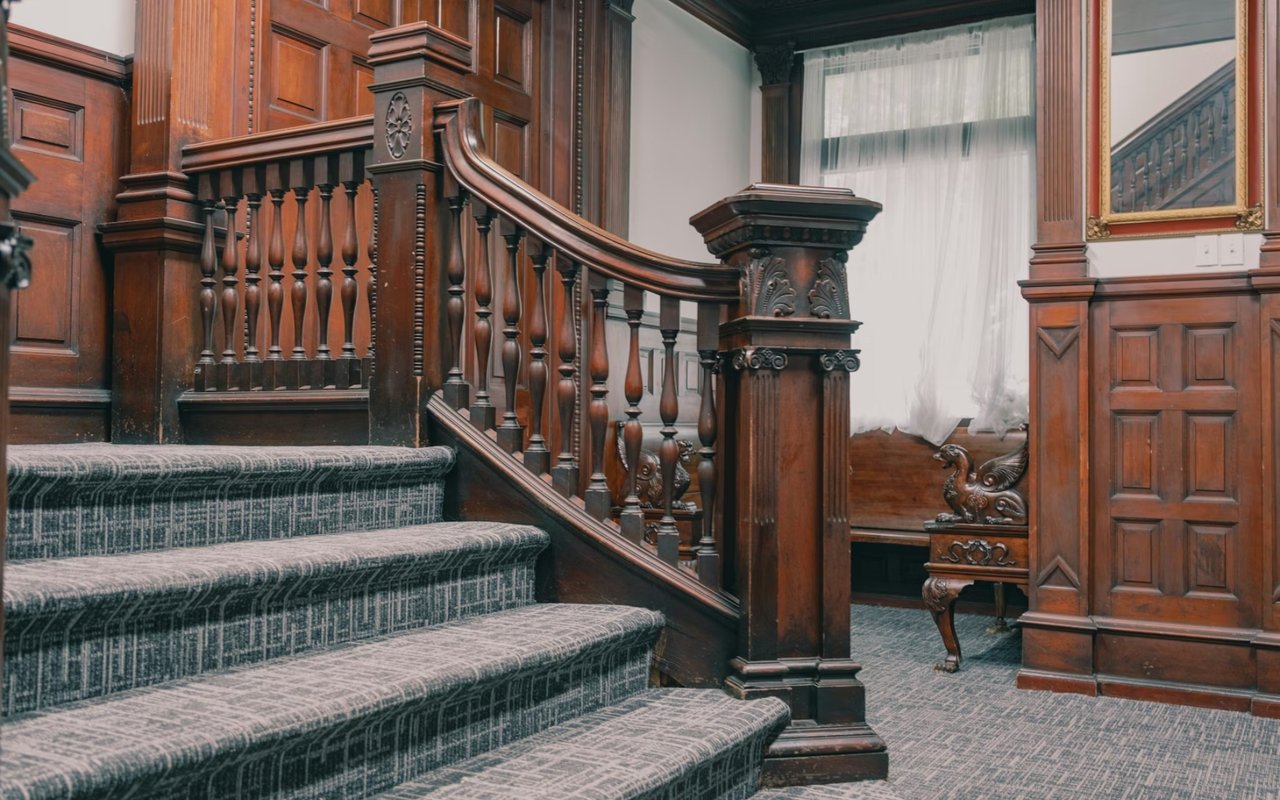
- Original wood built-ins can be stripped and refinished rather than painted over or removed entirely.
- Original wood floors beneath carpet or tile are usually in better condition than expected once uncovered.
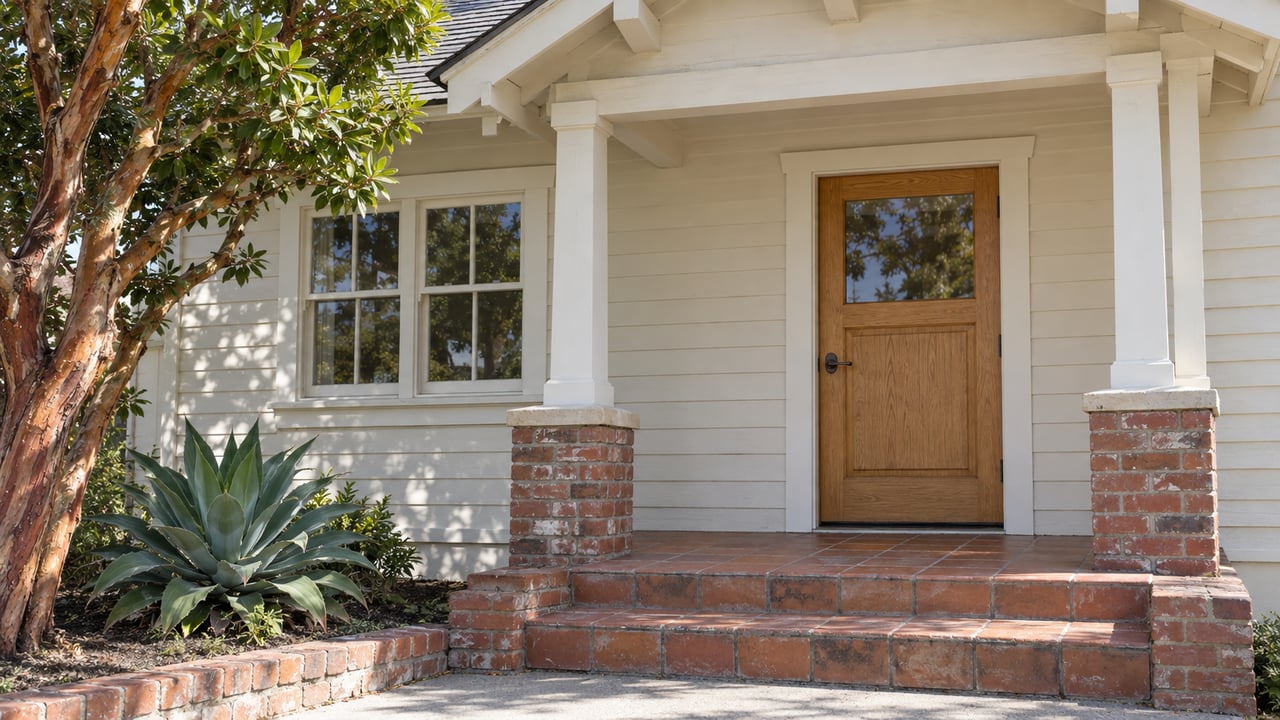
- Craftsman-era fireplace surrounds with original tile or brick are among the most valued features in Pasadena homes.
Restoration costs less than replacement in most cases, and the original materials are typically better quality than contemporary equivalents.
Color Choices That Stay Right for Decades
The Arts and Crafts movement that shaped much of Pasadena's residential architecture had specific ideas about color.
Color Principles That Hold Up in a Pasadena Home
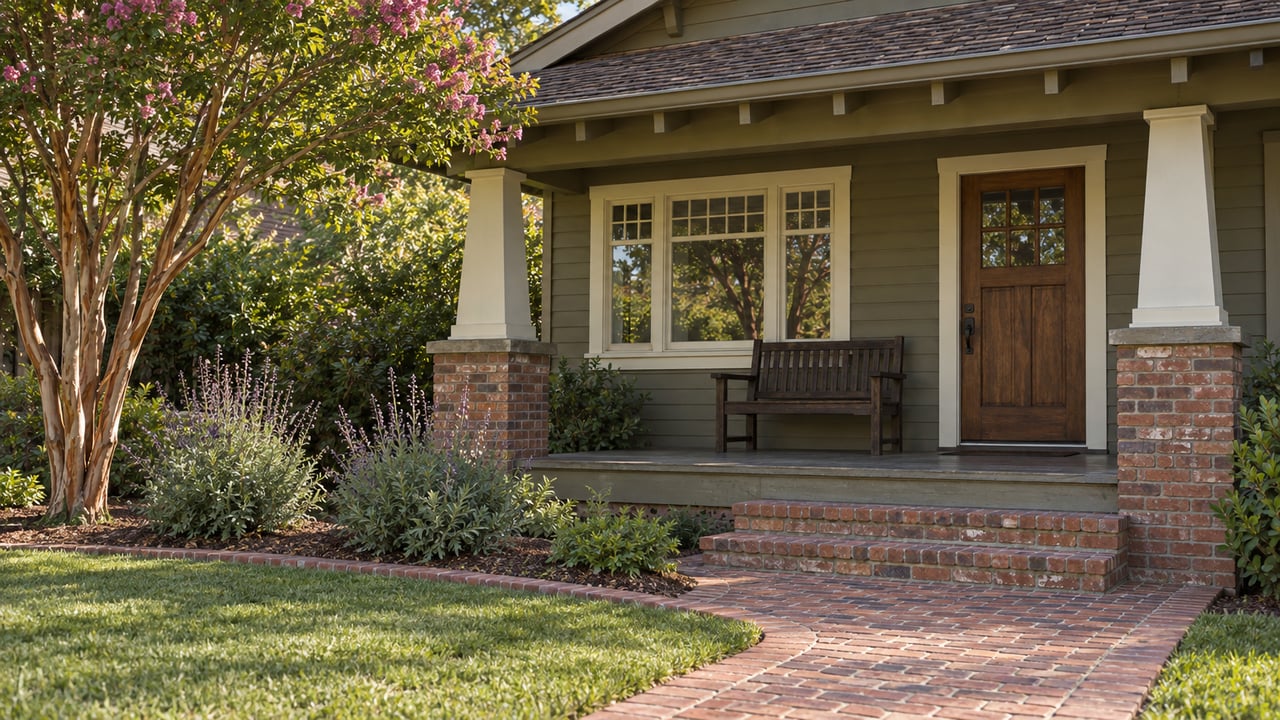
- Exterior palettes in warm ochre, sage green, and terracotta brown age well against Pasadena's oak trees and dry summer landscape.
- Interior walls in off-white, warm linen, and muted earth tones hold their footing across furniture changes and design eras.
- Dark woodwork — stained rather than painted — reads as intentional and period-appropriate rather than dated.
Batchelder Tile, originally produced in Pasadena from 1909 to 1932 and revived by Motawi Tile, is one of the most locally grounded design choices available.
Why Proportion Is the Hardest Thing to Fix Later
Most design mistakes in Pasadena homes come from altering the proportions that the original architect thought through carefully.
Proportion Decisions That Age Well
- Window replacements that match original dimensions preserve the rhythm of the exterior façade.
- Door hardware scaled to the original door size, rather than oversize contemporary styles, keeps the detailing coherent.
- Built-in additions designed to match the existing millwork profile integrate rather than contrast with the original.
The original proportions of a Pasadena home were not accidental.
Pasadena's Climate Calls for a Real Indoor-Outdoor Connection
Pasadena averages around 287 sunny days per year, and the original architects of the city's Craftsman and Spanish Revival homes designed around that climate deliberately.
Ways to Extend the Living Space Outward
- A covered patio or pergola aligned with interior ceiling heights creates a seamless extension of the indoor room.
- Consistent flooring — wood inside, stone or scored concrete outside — reduces the visual break at the threshold.
- French doors or steel-frame glass doors replacing older sliding panels restore the period connection between the interior and garden.
- Landscape planting that frames views from interior windows makes the garden work as a background even when the doors are closed.
The goal is for the outdoor space to read as a room rather than a yard.
FAQs
What timeless home design tips Pasadena architects and designers point to most consistently?
The most durable design guidance in Pasadena tends to come from the homes themselves. The Greene & Greene archive at the Gamble House, the Bungalow Heaven walking tour, and the work of early California designers provide more useful reference than most contemporary sources.
How do you know if a renovation will feel timeless or dated in ten years?
The clearest test is whether the renovation works with the architecture or over it. Changes that honor the scale, material palette, and proportional logic of the original building tend to age well. A dated renovation in a century-old Craftsman reads more conspicuously than the same renovation in a newer building.
Is it worth restoring original features or replacing them with better modern versions?
In most Pasadena homes, original features are the better version. Old-growth Douglas fir floors, hand-plastered walls, and solid-wood millwork are materials that cannot be replicated at any reasonable cost today. Restoration almost always produces a stronger result than replacement, and it preserves the material continuity that makes a Pasadena home feel cohesive rather than assembled.
Let's Talk About Your Home
Design in Pasadena is more forgiving when it respects the architecture it lives in. We've worked with clients through renovations that held up beautifully and through ones that needed to be undone, and the difference is almost always in the decisions made before anything was bought or demolished.
Contact us today at The Sabatella Delair Group for the valuable perspective we bring to every home we work with.
Contact us today at The Sabatella Delair Group for the valuable perspective we bring to every home we work with.