"1039 Grevelia St and 1131 Columbia St have been placed on HOLD for the time being. We cannot share any further information at this time."
That notice went up on the listing team's own site sometime after South Pasadena put eight former Caltrans-owned homes back on the market in June 2026. One of the two paused properties was the Columbia House, the 1910 Craftsman at 1131 Columbia Street that had anchored the entire release. The notice did not give a reason or a timeline for the hold.
If you've been eyeing this batch of homes because they sound like a rare shot at owning a piece of South Pasadena history, it helps to understand how the sale process works. The process runs through a government seller, so it differs from a typical sale by a homeowner working with a listing agent and a closing date in mind.
What the "Stub" actually is
The properties sit along what locals call the 710 Stub, the short, never-connected stretch of land that Caltrans spent decades assembling for a freeway extension that was supposed to link the existing 710 terminus to the 210. The agency acquired hundreds of homes across South Pasadena, Pasadena, and El Sereno through eminent domain starting in the 1950s, continuing into the 1970s. The extension never got built. Legal challenges from South Pasadena and environmental groups dragged on for decades until 2019, when Governor Gavin Newsom signed the bills that killed the project for good.
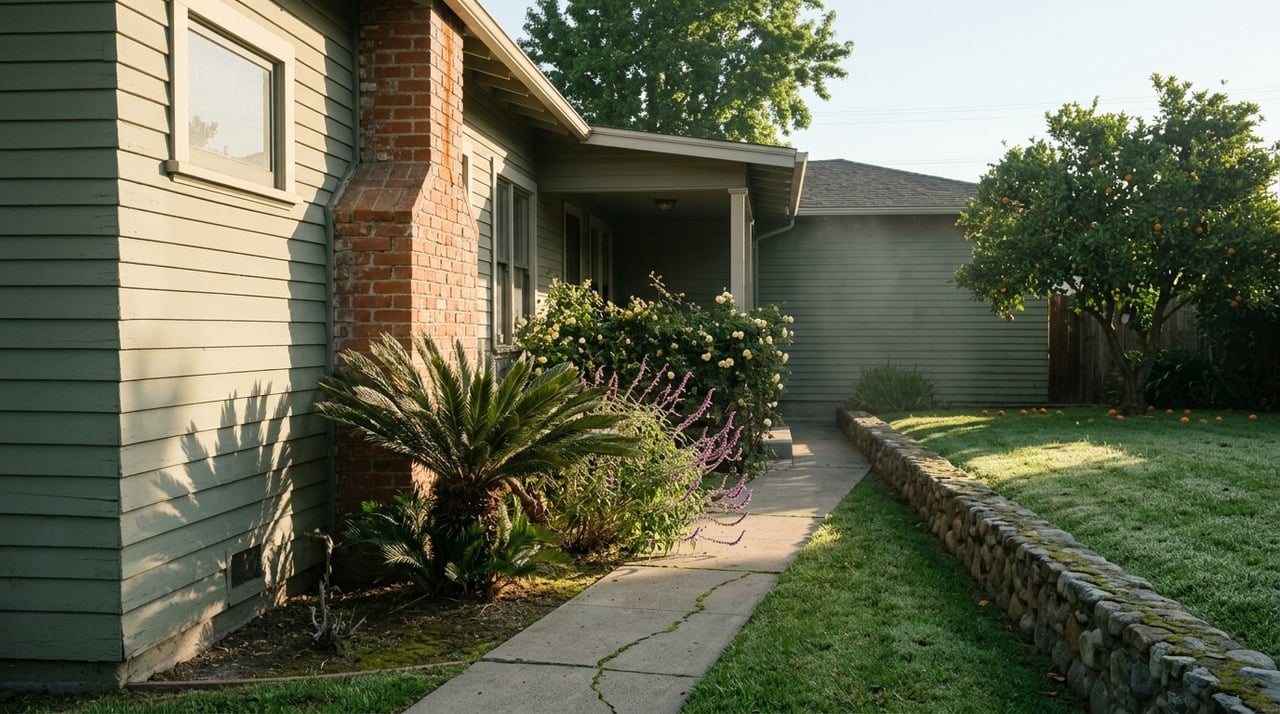
That left Caltrans holding property it no longer needed for a road that no longer existed. Some homes kept tenants for years. Others sat empty, deteriorating, while the state figured out what to do with them. The Roberti Act, a 1979 law governing how Caltrans disposes of surplus property, set the framework: tenants get first crack at buying, then public agencies, then eventually the open market. South Pasadena used that framework, along with Senate Bill 381, to negotiate a purchase of its own share of the Stub. According to The Real Deal, the city bought a batch of unoccupied properties from Caltrans, resells them at market value, and channels the proceeds into affordable housing under Government Code section 54239.6's mandate requiring three affordable units for every historic home sold.
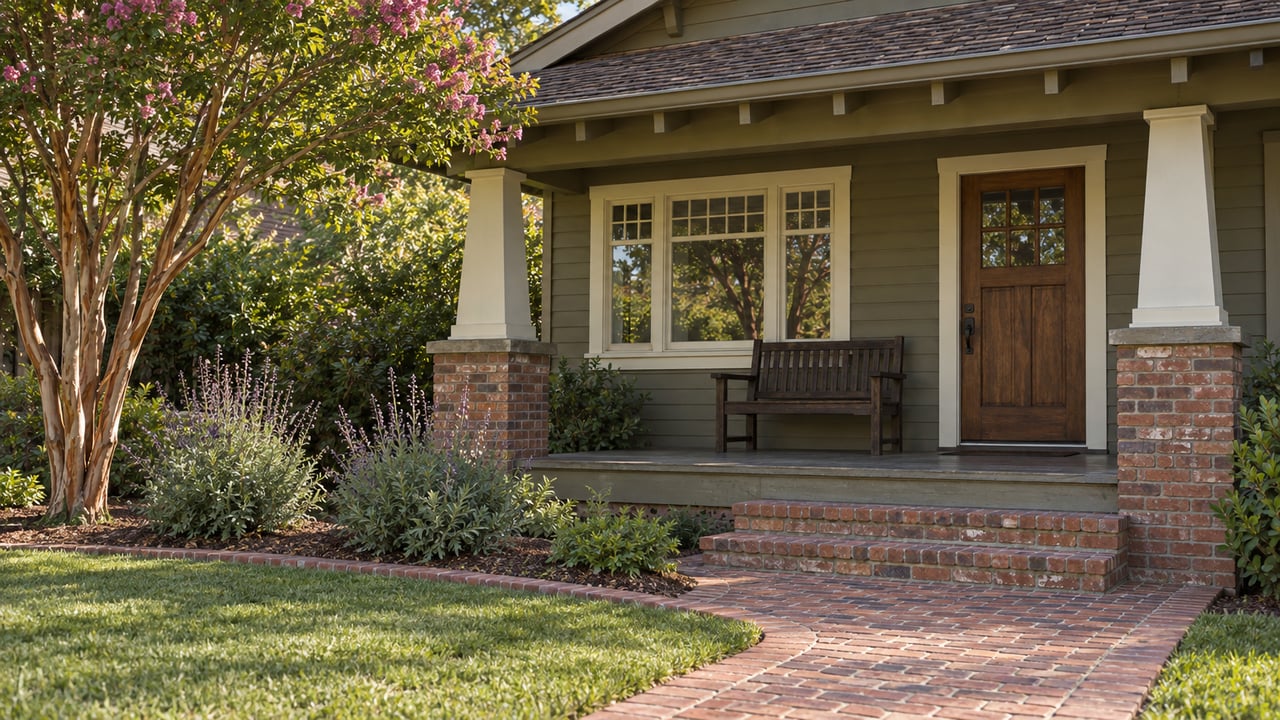
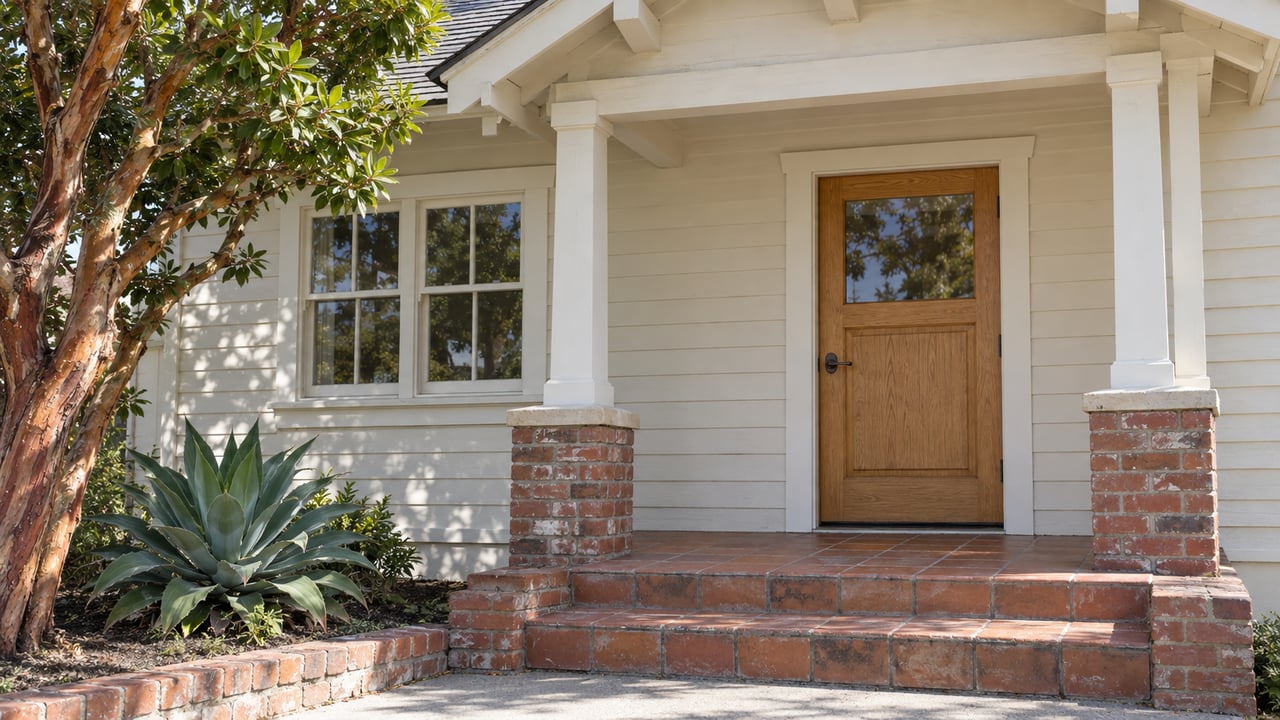
The city listed eight of these homes in June 2026: the Columbia House at 1131 Columbia Street, two homes on the 500 block of Orange Grove Avenue, one on the 900 block of Bonita Drive, two on the 1000 block of Grevelia Street, and two on the 800 block of Valley View Road. It was the second round. Five homes sold in a first round in late 2024.
The number that changes the read
Here's the part that surprises most people who assume a government-surplus sale means a discount. It doesn't, and by design it can't.
South Pasadena bought the 12 properties it approved for acquisition in March 2026, the group that included this batch of eight, for about $1.5 million total, roughly the same aggregate price the state paid decades ago when it seized them through eminent domain. City officials estimated those 12 properties could net around $10 million once resold at current market value. That spread is not a windfall for the city's general fund. It's the entire financing mechanism for the affordable housing mandate attached to the sale. Every dollar above the original acquisition cost is legally earmarked for the affordable units the law requires.
That mechanism explains something buyers often get backward: these are not bargain-priced homes. They're full-market-value homes with a government seller instead of a private one, and the pricing has to stay at market because the affordable housing math depends on it. When South Pasadena's first round of five homes sold in late 2024, several went for thousands over asking, even with boarded-up windows, damaged floors, and peeling paint after years of vacancy. Pasadena's comparable Caltrans sale, 13 homes that closed between December 2025 and February 2026, sold for between $750,000 and $3.4 million, averaging around $1.51 million, with five of the thirteen going significantly over asking. The "reclaimed history" framing is real. The discount is not.
What tenants say about the process
In a report for the South Pasadena Review, Roberto Flores, a teacher and activist with United Caltrans Tenants who lived at 2028 Brookshire in South Pasadena for more than 20 years, said Caltrans let its properties fall into disrepair while the tenant-priority process the Roberti Act was supposed to guarantee dragged on for years.
Flores said the agency never factored the cost of needed repairs into the purchase offers it eventually made to longtime renters, and a series of rent increases ultimately forced him to move out before he had a real chance to buy. That history matters for a prospective buyer because it explains why so few of these homes reach the open market as move-in-ready product. The ones that do are often the ones no tenant was in a position to purchase, which is part of why deferred maintenance shows up so consistently in the condition reports.
Paperwork to understand before an open house
Buying a Caltrans-originated property in South Pasadena is procedurally different from a typical resale, and the differences show up before you ever get to an inspection.
Buyers should understand what paperwork is required and what representation is available before making an offer.
The city's sale process is unusual enough that buyers should review the sale materials before deciding how to approach an offer.
For a landmarked property like the Columbia House, there's a third layer. It sits on South Pasadena's Inventory of Historic Resources. The South Pasadena Preservation Foundation is positioned as the resource for buyers trying to understand what that review process actually restricts and permits.
None of this makes the properties bad opportunities. It makes them opportunities that reward buyers who show up prepared rather than buyers expecting a fast, conventional close.
What the hold means for buyers
Before writing an offer on any property from this batch, or a later release by South Pasadena, consider confirming a few details directly:
- Whether the specific address remains active or has been placed on hold during the sale process
- What the historic designation status is, if any, and what body reviews future renovation work
- Whether financing programs specific to these sales are still available and what qualifications they require
- What condition disclosures exist given the years of vacancy most of these homes experienced under Caltrans ownership
Both the Columbia House and 1039 Grevelia Street were placed on hold after marketing had begun, showing that availability can change during the sale process.
What this means if you're actually considering one
For a buyer drawn to the architectural pedigree of a 1910 Stimson-designed Craftsman or the rare chance to own a piece of a historic corridor that almost became a freeway, the Stub properties are a legitimate opportunity. They're also a slower, more procedurally demanding purchase than a standard South Pasadena resale, with a seller that doesn't negotiate the way a private homeowner does and a condition profile shaped by years of deferred maintenance.
That combination, historic architecture plus renovation uncertainty plus an unusual sale structure, is exactly the kind of transaction where having someone who understands both the design side and the deal side matters. Carmine Sabatella has spent years evaluating what a character home actually needs versus what it merely looks like it needs, and Ryan Delair keeps the moving pieces of a complicated closing organized and communicated clearly. If one of these Stub addresses, or a comparable historic property elsewhere in South Pasadena, has caught your attention, that's a conversation worth having before you sign anything.
The Sabatella Delair Group works with buyers across South Pasadena and Pasadena who want a clear-eyed read on a historic property before they commit to it. If you're weighing one of these homes against the rest of the market, reach out and let's talk through what you'd actually be buying.
This article is general information, not legal, tax or financial advice. Consult a qualified professional about your situation.