41,921 people live in Altadena, where the median age is 46.2 and the average individual income is $65,192. Data provided by the U.S. Census Bureau.
Total Population
Median Age
Population Density Population Density This is the number of people per square mile in a neighborhood.
Average individual Income
Altadena sits unincorporated at the base of the San Gabriel Mountains in Los Angeles County, offering a rare combination of rustic mountain-town character and proximity to downtown Los Angeles. This tight-knit community of approximately 43,000 residents spans 8.7 square miles and maintains a distinctly bohemian, artistic atmosphere that sets it apart from its more polished neighbor, Pasadena. The neighborhood attracts creative professionals, scientists from nearby JPL, academics, and families seeking larger properties and a slower pace without sacrificing urban access. Tree-lined streets shaded by mature oaks and sycamores wind through neighborhoods where mid-century ranches sit alongside Craftsman bungalows and contemporary rebuilds. Altadena's unincorporated status means no city council or police department, giving residents significant autonomy while also requiring self-reliance. The community gravitates toward independent businesses, farmers markets, and a strong environmental ethos reflected in hillside preservation efforts and solar panel adoption rates that exceed county averages.
Altadena's story begins with the Tongva people who inhabited these foothills for thousands of years before Spanish colonization. The modern community emerged in 1887 when brothers Byron and Frederick Woodbury purchased land from the San Gabriel Orange Grove Association and named it Altadena—"alta" meaning high, and "dena" from Pasadena. The Woodbury brothers promoted the area as an upscale residential community and planted the iconic Christmas Tree Lane along Santa Rosa Avenue in 1885, which remains the oldest large-scale outdoor Christmas lighting venue in the world. The early 20th century brought substantial development as wealthy East Coast transplants and Los Angeles professionals built estates taking advantage of cooler mountain temperatures and expansive lots unavailable in denser Pasadena. The Cobb Estate, Mount Lowe Railway, and numerous sanitariums established Altadena as both a resort destination and health retreat.
The neighborhood's architectural character solidified between 1910 and 1950 when Craftsman bungalows proliferated alongside Spanish Colonial Revival and Ranch-style homes designed by notable architects including Wallace Neff and Cliff May. Altadena never incorporated as a city, despite multiple attempts, with residents consistently voting to maintain independence from municipal governance. This decision shaped the community's identity as a haven for individualists and non-conformists. The Civil Rights era brought significant demographic change as Altadena became one of the first integrated middle-class communities in Los Angeles County, with families of color able to purchase homes that restrictive covenants had forbidden in neighboring areas. Today the community maintains remarkable ethnic and economic diversity while preserving its historic architectural fabric and mountain-town atmosphere.
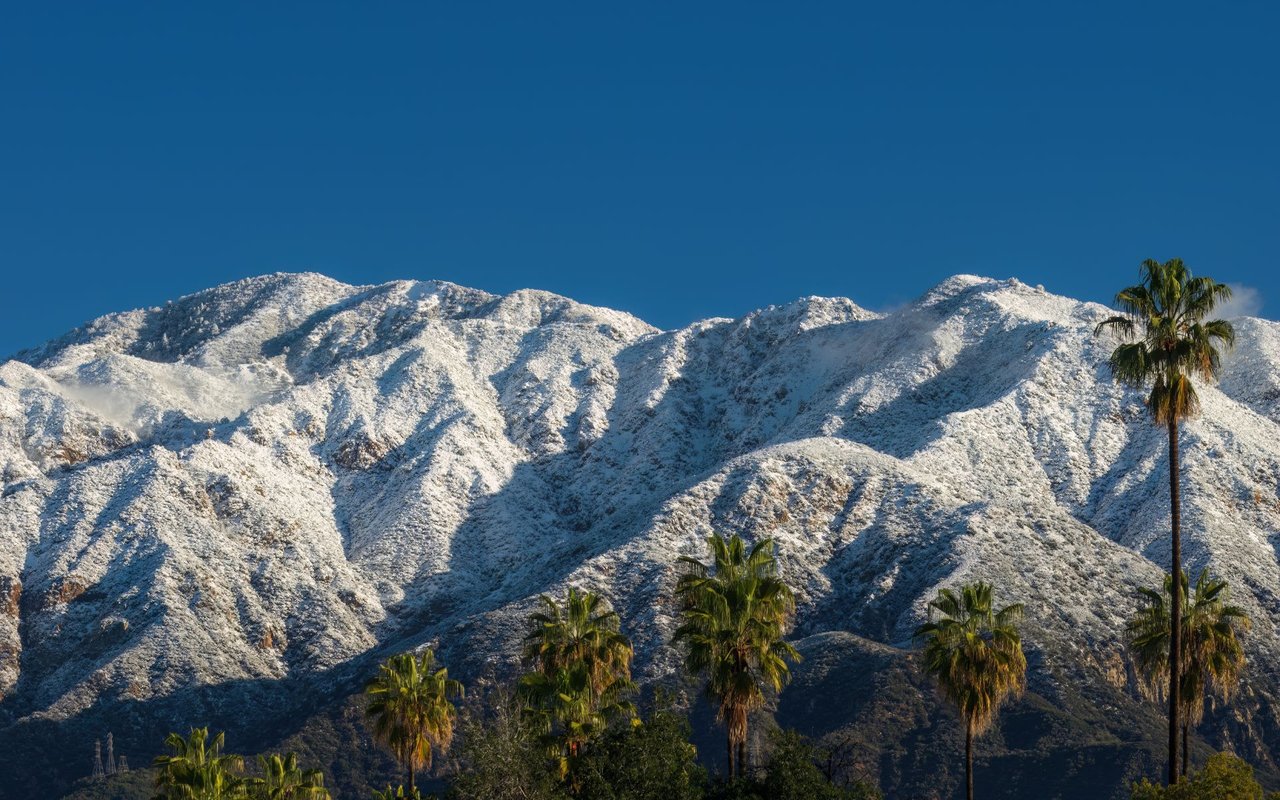
Altadena occupies the southern slopes of the San Gabriel Mountains between Pasadena to the south, La Cañada Flintridge to the west, and the Angeles National Forest to the north. Lake Avenue forms the eastern boundary with unincorporated county land, while the Arroyo Seco marks the western edge. The community spans elevations from approximately 1,300 feet at its southern boundary to over 2,500 feet in the northernmost hillside neighborhoods, creating distinct microclimates and dramatic variations in lot sizes and home styles. Downtown Los Angeles sits 12 miles south via the 110 Freeway through Pasadena, while Burbank and Glendale are accessible within 20 minutes via local arterials. The San Gabriel Mountains provide Altadena's defining geographic feature, creating a dramatic backdrop visible from throughout the neighborhood and establishing the community's identity as a mountain-adjacent enclave.
The terrain transitions from relatively flat neighborhoods south of Altadena Drive to increasingly steep hillside properties approaching the national forest boundary. Natural vegetation includes coastal sage scrub, chaparral, and oak woodlands that support diverse wildlife including coyotes, deer, hawks, and occasional mountain lion sightings in upper elevations. Altadena experiences a Mediterranean climate with warm, dry summers averaging mid-80s to low 90s and mild winters with occasional frost in valley areas and snow visible on nearby peaks. The community receives approximately 20 inches of annual rainfall, primarily between November and March, significantly higher than lower-elevation Los Angeles communities due to orographic lift from mountain proximity. Afternoon temperatures typically run 5-10 degrees cooler than downtown LA, and 3-5 degrees cooler than Pasadena, making summer heat more tolerable without extensive air conditioning.
Altadena's real estate market has experienced dramatic appreciation following the COVID-19 pandemic as remote workers and LA-area residents sought larger properties and outdoor access at relatively affordable price points. As of January 2025, median home prices hover around $1.1 million, representing approximately 85% year-over-year growth since 2020 though appreciation has moderated significantly from 2021-2022 peaks. Single-family homes typically range from $850,000 for modest post-war ranches requiring updates to $3 million-plus for extensively renovated mid-century moderns or new construction in prime hillside locations. The market remains competitive with average days on market around 30-45 days for well-priced properties, though inventory levels have increased from historic lows of 2021-2022.
The current market favors buyers more than recent years, with approximately 60-80 active listings at any given time compared to 20-30 during peak seller's market conditions. Homes priced aggressively or requiring significant deferred maintenance now sit longer, sometimes 60-90 days, and increasingly see price reductions. Properties in the $900,000-$1.4 million range generate the most activity as they remain accessible to dual-income professional households while still offering the space and character that defines Altadena's appeal. Luxury properties above $2.5 million have seen the most significant slowdown with buyers more selective and negotiations more common. The unincorporated status and subsequent lack of city-provided services hasn't deterred buyers, though it does create pricing differentiation from comparable Pasadena properties that typically command 10-15% premiums. Cash buyers and investors represent a smaller proportion of transactions than during peak pandemic years, with traditional financing now accounting for approximately 65-70% of purchases. Sellers should expect more negotiation on price and repairs than in recent memory, while buyers have regained leverage to conduct thorough inspections and request meaningful concessions.
Altadena's housing stock reflects a century of residential development with architectural styles ranging from 1920s Craftsman bungalows to contemporary custom builds. Single-family detached homes dominate the landscape, representing over 85% of available inventory, with lot sizes varying dramatically by elevation and distance from the mountains. Southern neighborhoods near Pasadena feature typical LA-area lots of 6,000-8,000 square feet with homes built between 1920-1960, while mid-elevation properties often sit on 10,000-15,000 square foot parcels. Upper hillside estates command lots from half-acre to several acres with sweeping views across the LA basin to the Pacific Ocean on clear days. Post-war Ranch homes built between 1945-1975 represent the most common architectural style, characterized by single-story layouts, attached garages, and functional floor plans that appeal to contemporary buyers seeking one-level living.
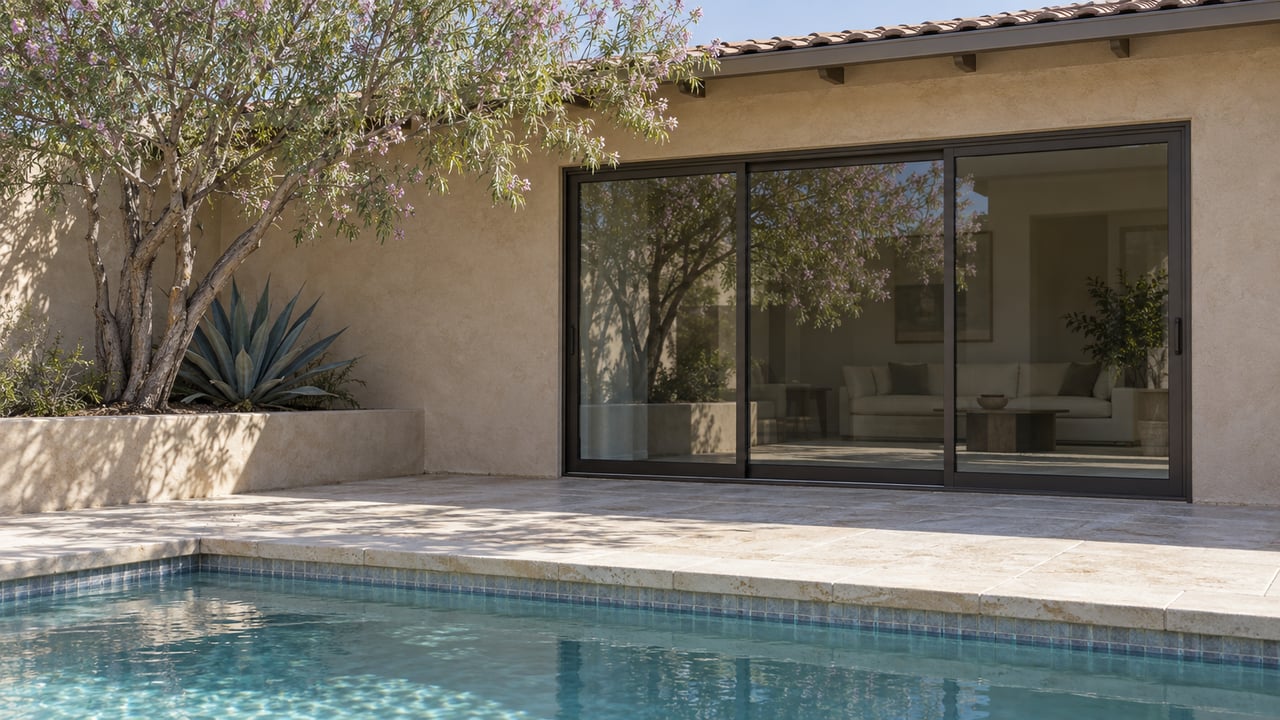
Craftsman bungalows from the 1910s-1930s attract buyers drawn to historic character, typically featuring built-in cabinetry, original hardwood floors, decorative woodwork, and front porches, though many require extensive updates to electrical, plumbing, and heating systems. Mid-century modern homes command premium prices when well-preserved or sympathetically updated, with architecture firms including Buff, Straub & Hensman, and individual architects like John Lautner contributing notable examples. Spanish Colonial Revival and Mediterranean-style homes from the 1920s-1940s appear throughout the community, particularly in established neighborhoods like the Scripps Tract and Christmas Tree Lane area. Contemporary new construction and extensively remodeled homes have proliferated since 2015, typically featuring open floor plans, floor-to-ceiling glass, sustainable materials, and modern amenities that appeal to tech workers and creative professionals relocating from coastal communities.
Multifamily housing exists in limited quantities, primarily along commercial corridors like Lake Avenue and Fair Oaks Avenue where older apartment buildings from the 1960s-1970s provide rental housing. Small-lot subdivisions and cottage-style developments appear occasionally on previously underdeveloped parcels, though restrictive zoning in most residential areas limits density and maintains the community's spacious, semi-rural character. Condominiums remain extremely rare with only a handful of small developments, meaning buyers seeking ownership below $800,000 face limited options. The relative scarcity of attached housing and consistent demand for detached single-family homes creates persistent upward price pressure in entry-level segments.
Altadena's unincorporated status represents the most significant consideration for prospective buyers, as Los Angeles County rather than a municipal government provides all services. The community lacks its own police department with LA County Sheriff providing law enforcement at potentially slower response times than incorporated cities. Similarly, no city planning department means county-level permitting for renovations, additions, and new construction, which some owners find more streamlined while others encounter inconsistency. The community maintains volunteer organizations and neighborhood associations that provide governance on local issues, but lacks the formal political structure of incorporated municipalities. Buyers should understand this governance model and determine whether the independence and lower bureaucracy outweigh potential drawbacks in service delivery and political representation.
Wildfire risk demands serious evaluation for any hillside property or home backing to open space or the Angeles National Forest. The 1993 Kinneloa Fire destroyed 121 homes in adjacent areas, and recent California fire seasons have demonstrated ongoing vulnerability. Properties in Very High Fire Hazard Severity Zones face higher insurance premiums, sometimes $3,000-$6,000 annually, and require defensible space maintenance including vegetation clearance and fire-resistant landscaping. Some hillside homes have become difficult or impossible to insure through traditional carriers, forcing owners into California FAIR Plan coverage at significantly higher cost. Buyers should verify insurance availability and cost before committing to hillside properties and budget for ongoing fire mitigation maintenance. Earthquake considerations apply throughout California, but older unreinforced masonry and properties on hillside lots with potential slope stability issues warrant particular attention. Seismic retrofitting for homes built before 1960 typically costs $5,000-$25,000 depending on foundation type and square footage.
School boundaries create value disparities even within blocks, as Altadena feeds into multiple Pasadena Unified School District elementary schools with varying API scores and reputations. The neighborhood also includes portions of several different school attendance zones, and boundaries shift periodically with district reorganization, so buyers with school-age children should verify current assignments directly with PUSD rather than relying on real estate listings. Property taxes reflect unincorporated status with rates around 1.1-1.2% of assessed value, slightly lower than some neighboring incorporated cities but without the benefit of voter-approved local improvements that Mello-Roos districts fund. Most Altadena properties lack HOA fees and restrictions, a significant advantage for buyers seeking autonomy over their property, though a handful of hillside enclaves and newer subdivisions do maintain associations with monthly fees ranging from $50-$300. Water comes from multiple sources including private mutual water companies serving specific neighborhoods, each with different rate structures and reliability. Buyers should identify the serving water company and research any history of supply issues or infrastructure problems.
Older homes, particularly those built before 1950, often require substantial electrical upgrades to support modern appliances and HVAC systems, with panel replacements and rewiring costing $8,000-$20,000. Original plumbing in pre-1960 homes may include galvanized steel pipes prone to corrosion and reduced flow, with partial or full replacement ranging from $6,000-$30,000 depending on home size. Single-pane windows remain common in unrenovated properties, contributing to high heating and cooling costs that replacement with dual-pane units can address at $500-$1,200 per window installed. Parking varies significantly with some neighborhoods featuring detached garages accessed via rear alleys while others have attached garages or only street parking. Properties without adequate off-street parking face challenges reselling in a car-dependent market. The local market moves reasonably quickly for desirable properties, so buyers should be prepared to act within days of listing and should have financing pre-approved rather than merely pre-qualified.
Altadena's real estate market demonstrates mild seasonality with spring and early fall generating the highest buyer activity and typically the strongest prices. Listing between March-May captures buyers mobilized by tax refunds, bonus payments, and families seeking to close before the school year ends, while September-October attracts purchasers who've spent summer months researching markets and are motivated to complete transactions before year-end holidays. Winter months from November-January see reduced activity, though serious buyers shopping during this period often face less competition and can be particularly motivated. Summer listings from June-August compete with vacation schedules and generally produce slightly longer days-on-market, though Altadena's cooler mountain temperatures and outdoor lifestyle appeal can counterbalance typical summer slowdowns.
Pricing strategy requires balancing Altadena's increased profile and pandemic-era appreciation against current market conditions that no longer support the aggressive overpricing common in 2021-2022. Properties priced within 5% of recent comparable sales typically receive showings within the first week and offers within 30 days, while homes priced 10%+ above market comps languish and ultimately sell below what a realistic initial price would have achieved due to stigma from extended market time. Sellers should focus comps on sales within the past 3-6 months in similar micro-neighborhoods, as Altadena's diverse topography and home styles create significant variation that city-wide statistics don't capture. Properties requiring more than cosmetic updates should be priced to reflect deferred maintenance, as today's buyers expect turnkey condition or clear compensation for renovation work.
Staging approaches depend on home style and target buyer demographic. Mid-century and contemporary homes benefit from minimalist staging that emphasizes architecture, natural light, and indoor-outdoor flow with neutral palettes and curated furnishings. Craftsman and Spanish Colonial properties warrant period-appropriate staging that highlights original details while demonstrating modern livability, avoiding overly vintage looks that suggest maintenance challenges. Vacant homes should always be staged as empty properties photograph poorly and prevent emotional connections that drive competitive offers. Professional photography and drone footage for homes with views or dramatic settings has become standard practice rather than optional, with quality visual marketing often determining whether buyers schedule showings. Three-dimensional virtual tours and video walkthroughs expanded dramatically during COVID and remain expected by out-of-area buyers conducting initial property research remotely.
Buyer demographics skew toward professional couples and families with household incomes of $200,000-$400,000 seeking value relative to Pasadena, South Pasadena, and westside LA communities. Creative professionals including writers, artists, and entertainment industry workers appreciate the bohemian community character and artist-friendly zoning. JPL scientists and Caltech faculty gravitate toward Altadena's intellectual atmosphere and proximity to campus, while tech workers from downtown LA startups and Santa Monica/Silicon Beach companies value the space and affordability relative to coastal markets. Retirees downsizing from larger homes but seeking to maintain Southern California proximity represent a smaller but consistent buyer segment. Marketing should emphasize space, character, mountain access, community culture, and relative value while honestly addressing unincorporated status and wildfire considerations for hillside properties.
Upgrades that increase value include kitchen renovations with quality appliances and stone countertops (recouping 65-75% of investment), bathroom updates particularly primary suite enhancements (recouping 60-70%), energy-efficient windows and HVAC systems that reduce utility costs (recouping 50-60% plus marketing appeal), and outdoor living spaces including decks, patios, and landscaping that showcase the indoor-outdoor lifestyle (recouping 50-80% depending on execution). Curb appeal improvements including paint, landscaping, and front entry updates generate disproportionate return by creating positive first impressions that influence buyer perception throughout the showing. Solar panel installations appeal to environmentally conscious buyers but may complicate sales if lease agreements transfer to new owners, so purchased systems provide clearer value. Foundation repairs, updated electrical and plumbing systems, and new roofs typically don't increase sales price beyond their cost but eliminate objections and prevent transaction collapse, making them essential rather than optional for homes with known deficiencies.
Altadena's dining scene balances neighborhood institutions serving longtime residents with newer establishments reflecting the community's creative evolution and increasing affluence. Fair Oaks Avenue and Lake Avenue form the primary commercial corridors with restaurants, cafes, and markets concentrated along these north-south arteries. Webster's Community Pharmacy on Fair Oaks anchors a stretch of local businesses and has served as an old-fashioned soda fountain and community gathering place since 1955, offering breakfast and lunch in a nostalgic setting. The Coffee Gallery Backstage provides the neighborhood's cultural heart with live music seven nights weekly spanning folk, jazz, blues, and acoustic performances in an intimate setting that's launched careers and sustained the local arts community since 1994. The venue also serves as a daytime coffeehouse and workspace popular with remote workers and creative professionals.
Cafe De Leche on Lake Avenue draws crowds for Cuban-inspired breakfast and lunch with outdoor seating and strong coffee that fuels morning routines. Fox's Restaurant on Woodbury Road has served American comfort food and diner classics since 1958, maintaining a loyal following among multi-generational Altadena families who appreciate consistent quality and generous portions. Mi Place on Lake Avenue offers elevated Mexican cuisine in a contemporary setting, while Amara Chocolate & Coffee provides artisan chocolates and espresso drinks that attract visitors from across the region. Lincoln Avenue hosts additional dining options including Bulgarini Gelato, recognized regionally for authentic Italian gelato using traditional techniques and seasonal ingredients. The Altadena Farmers Market operates Thursday afternoons at the Community Center on Lake Avenue, featuring local produce, prepared foods, and artisan products that reinforce the neighborhood's farm-to-table ethos.
The dining landscape includes numerous ethnic restaurants reflecting community diversity, from Thai and Vietnamese establishments along Fair Oaks to family-run Mexican restaurants serving multiple generations. Altadena lacks major entertainment venues, nightlife, or shopping districts, with residents traveling to Pasadena's Old Town, downtown LA, or elsewhere for those amenities. This limited commercial infrastructure reinforces the residential, small-town character that attracts people seeking respite from urban intensity. Local wine bars and craft beer focused establishments remain minimal, though some restaurants maintain quality beverage programs. The community's artistic bent surfaces in gallery spaces and studios that occasionally host openings and events, though the cultural calendar centers on institutions like Coffee Gallery rather than formal arts venues. This entertainment model suits residents who value neighborhood authenticity and local ownership over commercial polish and chain establishments.
Altadena's access to the Angeles National Forest provides unparalleled outdoor recreation literally at the community's northern boundary, with hiking trails ranging from casual nature walks to strenuous peak ascents accessible within minutes of most neighborhoods. The Sam Merrill Trail, accessed via Lake Avenue, climbs 2,600 feet over 2.5 miles to the ruins of the historic Echo Mountain House and offers sweeping basin views while connecting to the Mount Lowe Railway Trail system that extends deeper into the San Gabriels. This trail network attracts hikers, trail runners, and mountain bikers year-round and represents a primary lifestyle amenity driving property values in adjacent neighborhoods. Millard Canyon Falls, accessed from Chaney Trail north of Loma Alta Drive, provides a relatively easy 1.2-mile round-trip hike to a seasonal waterfall particularly impressive following winter rains. Eaton Canyon Natural Area in neighboring Pasadena sits immediately adjacent to Altadena and sees heavy traffic for its accessible 3.5-mile round-trip trail to Eaton Canyon Falls, one of the San Gabriel Mountains' most photographed natural features.
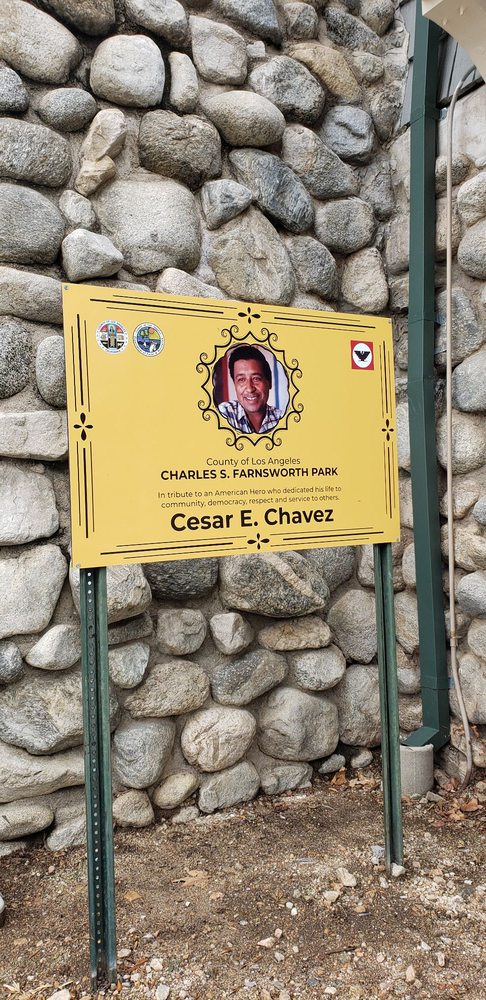
Farnsworth Park on Lake Avenue serves as Altadena's primary municipal park facility with ballfields, tennis courts, playground equipment, picnic areas, and community center buildings hosting classes and events. The park sees heavy use by youth sports leagues, families, and community gatherings throughout the year and functions as a central social space in a neighborhood that lacks a traditional downtown or commercial plaza. Eliot Arts Magnet School's adjacent fields and courts supplement recreational capacity. Charles White Park, named for the African American artist who lived in Altadena, provides additional greenspace and playground facilities in southern neighborhoods. The 2.4-mile Altadena Crest Trail traverses the uppermost accessible roads below the national forest boundary, offering views and connecting multiple trailhead access points.
Mountain biking opportunities abound on fire roads and trails within the national forest, though steep terrain and technical descents suit intermediate to advanced riders. Rock climbing routes appear on various formations throughout the San Gabriels with several areas accessible from Altadena trailheads. Winter snow on higher peaks enables occasional sledding and snow play opportunities within 30-minute drives, though Altadena itself rarely receives snowfall. The community lacks public swimming pools, golf courses, or water recreation facilities, with residents accessing these amenities in surrounding communities. Equestrian culture persists with stables and riding facilities concentrated in hillside areas, reflecting ranching heritage that shaped early development patterns. The dominance of outdoor recreation over organized facilities matches community preferences for natural experiences and informal gatherings over structured programs and commercial entertainment.
Altadena's schools fall under Pasadena Unified School District jurisdiction, creating both opportunities and complexities for families as attendance boundaries divide the neighborhood among multiple elementary schools with varying academic performance and reputations. PUSD operates six elementary schools serving Altadena neighborhoods: Altadena Elementary (API scores typically 740-780), Loma Alta Elementary (API 680-720), Farnsworth Elementary (API 650-690), Eliot Arts Magnet (API 820-860), Webster Elementary (API 700-740), and Jackson Elementary (API 660-700). Eliot Arts Magnet consistently ranks among the district's top performers and offers specialized arts programming through a competitive lottery system rather than neighborhood assignment, making it highly sought by Altadena families willing to apply through the district's choice process. API scores reflect 2019 data as California transitioned to new assessment systems, but relative performance patterns have remained consistent.
The variance in elementary school quality creates significant property value differentiation even within blocks, as buyers with school-age children prioritize attendance boundaries when selecting homes. Washington Middle School serves as the primary middle school for most Altadena students with API scores around 720-750, while some neighborhoods feed to Blair International Baccalaureate Middle School (API 810-840), a sought-after magnet program requiring applications. High school students attend either Muir High School (API 670-710) or through interdistrict transfer, choice programs, or residential address, John Muir High School (API 670-710) or Blair High School (API 740-780). Private school options within Altadena itself remain limited with families accessing independent schools in Pasadena including Polytechnic School, La Salle College Preparatory, Mayfield Junior School, and Westridge School, or religious schools including St. Andrew Catholic School and other faith-based institutions.
Early childhood education includes numerous private preschools and daycare facilities scattered throughout residential neighborhoods, with some operating from church facilities or dedicated educational buildings. Competition for spots at well-regarded preschools requires early enrollment as working families and engaged parents prioritize early education. Pasadena City College sits immediately adjacent to southern Altadena neighborhoods, providing accessible community college education and workforce development programs. Caltech, Art Center College of Design, and Fuller Theological Seminary in Pasadena offer higher education options within a 10-minute drive, while UCLA, USC, and Occidental College are accessible within 30-45 minutes depending on traffic. The presence of these institutions contributes to Altadena's intellectual character and provides cultural programming, lectures, and events that enrich community life.
Altadena's commute patterns reflect Los Angeles region car dependency with limited public transportation and infrastructure designed around personal vehicle use. The 210 Foothill Freeway runs along Altadena's southern boundary through Pasadena, providing east-west connectivity to Glendale, Burbank, and the western San Gabriel Valley in one direction, and to eastern communities including Arcadia, Monrovia, and ultimately San Bernardino in the other. Access to the 210 requires driving surface streets through Pasadena, typically adding 5-10 minutes to freeway trips. The 110 Pasadena Freeway/Arroyo Seco Parkway provides the primary route to downtown Los Angeles, accessible via surface streets through Pasadena with total commute times to downtown LA typically ranging from 30-50 minutes depending on departure time and traffic conditions. Morning rush hour significantly impacts commute times with any downtown-bound travel likely facing congestion.
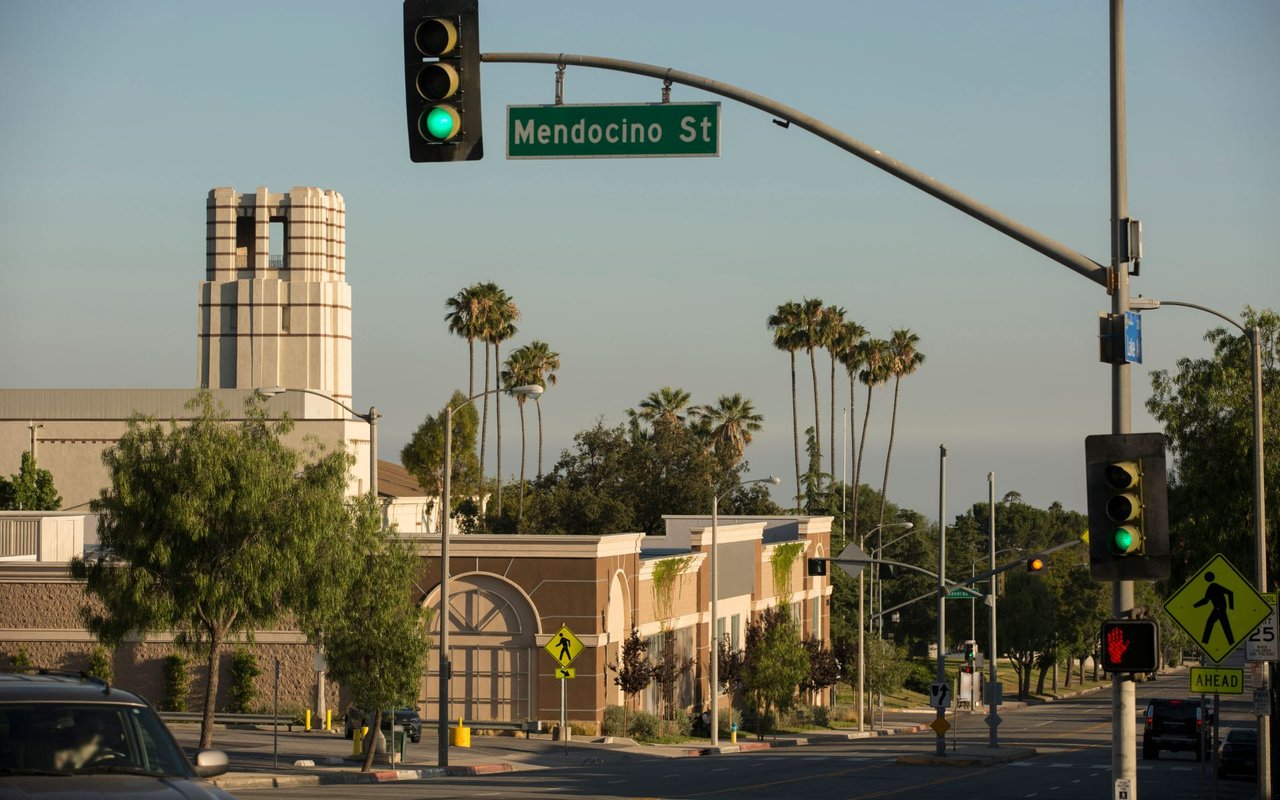
Lake Avenue, Fair Oaks Avenue, Allen Avenue, and Lincoln Avenue serve as primary north-south arterials providing internal circulation and connections to Pasadena and the 210 Freeway. These surface streets experience moderate congestion during rush hours but generally flow reasonably well outside peak periods. Altadena Drive and Mendocino Lane run east-west along the mountain foothills, providing scenic routes across the community though with slower speeds due to curves and residential character. The street grid includes numerous cul-de-sacs and dead-end streets, particularly in hillside areas, limiting through traffic in many neighborhoods while potentially complicating navigation.
Metro Gold Line (now L Line) light rail stops in Pasadena along the 210 corridor provide connections to downtown LA, though Altadena residents must drive or bike to these stations as the neighborhood lacks direct service. The Memorial Park, Lake, and Sierra Madre Villa stations offer park-and-ride lots, though capacity fills during morning rush hour. Metro bus service along Lake Avenue and Fair Oaks Avenue provides limited local connectivity, but schedules and coverage don't support reliable car-free living for most residents. Commuters to downtown LA typically face 45-75 minute drives during peak hours, while trips to Santa Monica, Culver City, or LAX require 60-90 minutes given cross-basin traffic patterns. Burbank Airport sits 20-25 minutes away with significantly easier access than LAX, making it the preferred airport for Altadena residents when flight options align. Bike commuting to Pasadena employment centers is feasible on surface streets, though significant elevation gain limits cycling appeal for commutes into surrounding communities. The lack of comprehensive public transit and distance from employment centers makes Altadena poorly suited for households seeking car-free or car-light lifestyles.
Residents consistently cite the combination of mountain access, spacious properties, community character, and relative affordability as primary factors in choosing and remaining in Altadena over more expensive or denser alternatives. The ability to access hiking trails within minutes of home creates daily outdoor recreation opportunities that would require hour-plus drives from most LA-area communities, fundamentally shaping lifestyle and contributing to the active, environmentally conscious culture that pervades neighborhood identity. Properties averaging 25-40% larger than comparable Pasadena homes at similar or lower prices provide space for home offices, workshops, gardens, and outdoor living that remote workers and creative professionals particularly value. The unincorporated status and resulting autonomy appeals to residents who prefer minimal government oversight and appreciate the community's informal, individualistic character over the regulations and conformity that incorporated cities sometimes enforce.
Altadena's artistic community and creative culture attract writers, musicians, visual artists, and other creative professionals who find affordable studio space, kindred spirits, and an accepting environment that celebrates rather than stigmatizes unconventional careers or lifestyles. The ethnic and socioeconomic diversity, rooted in the community's history as an early integrated suburb, creates richer social fabric than homogeneous wealthy enclaves and exposes children to varied perspectives and backgrounds. Tree canopy density and mature landscaping provide residential streetscapes that feel established and gracious rather than newly developed and sterile, while cooler mountain temperatures make summer months more comfortable than lower elevation LA neighborhoods where air conditioning runs constantly.
The small-town pace and absence of chain retail creates neighborhood intimacy where residents recognize familiar faces at the farmers market, Coffee Gallery, or local restaurants and develop genuine community connections increasingly rare in sprawling metropolitan regions. Parents appreciate that children can bike neighborhood streets and walk to friends' houses with relative safety and autonomy impossible in higher-traffic areas. The proximity to Pasadena's cultural institutions, dining, and shopping provides urban amenities within 10 minutes while maintaining Altadena's quiet, residential atmosphere. Pet ownership flourishes with larger lots accommodating dogs and outdoor space, while nearby trails offer exceptional dog-walking venues. The community's environmental consciousness manifests in extensive solar panel adoption, EV ownership, and sustainable landscaping practices that align with values many residents bring from careers in science, education, and creative fields. Perhaps most fundamentally, people love Altadena because it offers respite from Los Angeles urban intensity while maintaining accessibility to employment and cultural opportunities, allowing residents to participate in metropolitan life without surrendering space, nature access, or community connection.
Christmas Tree Lane along Santa Rosa Avenue between Woodbury Road and Altadena Drive represents Altadena's most historically significant address with enormous deodar cedar trees planted in the 1880s and annual holiday lighting tradition that draws thousands of visitors each December. Homes along this stretch command premium prices for their association with community history and the spectacular tree canopy that creates cathedral-like ambiance year-round. Properties here typically feature substantial Craftsman, Spanish Colonial, or mid-century architecture on generous lots, with prices ranging from $1.5 million to $3 million-plus depending on condition and square footage.
The Scripps Tract, roughly bounded by Ventura Street, Pasadena Avenue, Pepper Street, and Altadena Drive, contains some of Altadena's finest historic estates including properties designed by noted architects on oversized parcels with mature landscaping and architectural integrity. This area developed as Altadena's original luxury neighborhood and maintains prestige through preservation-minded owners who invest in sympathetic restorations. Homes frequently exceed $2 million with some estate properties commanding $3-5 million. The upper hillside neighborhoods along Chaney Trail, Mount Curve Avenue, Crescent Drive, and adjacent streets offer the most dramatic views and largest parcels, with properties regularly sitting on half-acre to multi-acre sites. These streets provide immediate access to hiking trails and Angeles National Forest while commanding sweeping views across the basin to downtown LA and beyond. Modern architectural statements and high-end renovations proliferate in these locations with prices ranging from $1.8 million to $5 million-plus depending on lot size, architecture, and view quality.
Meadowbrook Avenue and surrounding streets in the northeast quadrant attract buyers seeking mid-century architecture and established neighborhoods with good elementary school access. Properties here typically range from $900,000 to $1.6 million for well-maintained ranches and remodeled homes on 8,000-12,000 square foot lots. The Kinneloa Mesa area in northeast Altadena provides hillside living on more modest lots than upper Chaney Trail properties while still offering views and proximity to trails, with homes generally priced between $1.2 million and $2.5 million. Lincoln Avenue corridor properties benefit from the street's parkway character with mature trees and relatively wide lots, attracting families seeking neighborhood stability and easy access to both Pasadena and mountain recreation.
Buyers seeking more accessible price points focus on neighborhoods south of Altadena Drive and east of Lake Avenue where homes built between 1940-1970 on standard lots provide entry opportunities in the $850,000-$1.2 million range, particularly if willing to invest in updates. These areas sacrifice views and immediate trail access but maintain Altadena's community character and provide reasonable lot sizes compared to other LA-area markets at similar prices. Sellers of properties in coveted micro-locations should emphasize street reputation, architectural significance, view quality, and proximity to trails or community amenities in marketing materials as these factors justify premium pricing and accelerate sales.
Altadena delivers a distinctive Southern California experience that balances mountain-town character with metropolitan proximity in ways few communities achieve. The unincorporated status and resulting independence appeals to residents who prioritize autonomy and community self-determination over comprehensive municipal services, creating a neighborhood that feels more like a close-knit mountain town than a Los Angeles suburb despite sitting just miles from downtown. For buyers seeking space, architectural character, outdoor access, and diverse community culture at prices below Pasadena and westside markets, Altadena presents compelling value. The artistic community, environmental consciousness, and intellectual atmosphere attract residents who find kindred spirits and lifestyle compatibility that justify trade-offs in commute times and limited commercial infrastructure.
Successful Altadena living requires embracing the community's quirks and understanding the responsibilities that accompany independence from municipal government. Wildfire risk, variable school quality, and distance from employment centers create legitimate challenges that don't suit every household's priorities or risk tolerance. Families with school-age children must navigate attendance boundaries and district choice processes to access top-performing schools, while hillside homeowners invest significant time and money in fire mitigation and insurance management. The rewards for those who align with Altadena's lifestyle include daily mountain access that shapes activity patterns and connection to nature, spacious properties that support hobbies and creative pursuits, and community relationships that develop through repeated interactions at farmers markets, coffee shops, and trailheads.
Real estate transactions in Altadena require working with agents who understand the nuances of unincorporated living, water district boundaries, school attendance zones, and wildfire insurance availability. Buyers should conduct thorough due diligence on all unique risk factors, verify school assignments, and ensure their values align with the community's independent, bohemian character before committing. Sellers should price realistically, invest in presentation, and market to buyers who specifically seek Altadena's combination of attributes rather than those simply looking for affordable Los Angeles-area housing. The neighborhood's increasing profile and pandemic-era appreciation demonstrate that more buyers recognize the value proposition Altadena offers, suggesting continued strong demand particularly from remote workers, creative professionals, and families seeking alternatives to homogeneous suburban developments or unaffordable coastal communities.
There's plenty to do around Altadena, including shopping, dining, nightlife, parks, and more. Data provided by Walk Score and Yelp.
Explore popular things to do in the area, including Boot Camp Pasadena, Craig Mills Fitness, and Nathan Maffin Fitness.
| Name | Category | Distance | Reviews |
Ratings by
Yelp
|
|---|---|---|---|---|
| Active | 1.08 miles | 23 reviews | 5/5 stars | |
| Active | 3.65 miles | 5 reviews | 5/5 stars | |
| Active | 3.38 miles | 9 reviews | 5/5 stars | |
| Beauty | 1.96 miles | 11 reviews | 5/5 stars | |
| Beauty | 3.3 miles | 12 reviews | 5/5 stars | |
| Beauty | 3.2 miles | 9 reviews | 5/5 stars | |
| Beauty | 3.34 miles | 7 reviews | 5/5 stars | |
| Beauty | 3.34 miles | 5 reviews | 5/5 stars | |
| Beauty | 2.53 miles | 6 reviews | 5/5 stars | |
|
|
||||
|
|
||||
|
|
||||
|
|
||||
|
|
||||
|
|
Altadena has 15,018 households, with an average household size of 2.73. Data provided by the U.S. Census Bureau. Here’s what the people living in Altadena do for work — and how long it takes them to get there. Data provided by the U.S. Census Bureau. 41,921 people call Altadena home. The population density is 4,952.25 and the largest age group is Data provided by the U.S. Census Bureau.
Total Population
Population Density Population Density This is the number of people per square mile in a neighborhood.
Median Age
Men vs Women
Population by Age Group
0-9 Years
10-17 Years
18-24 Years
25-64 Years
65-74 Years
75+ Years
Education Level
Total Households
Average Household Size
Average individual Income
Households with Children
With Children:
Without Children:
Marital Status
Blue vs White Collar Workers
Blue Collar:
White Collar:
When you choose The Sabatella Delair Group, you are choosing a team of experienced, dedicated, and passionate real estate professionals who are committed to your success. Contact them today to learn more about how they can help you achieve your real estate goals.