51,551 people live in Palm Desert, where the median age is 56.7 and the average individual income is $57,793. Data provided by the U.S. Census Bureau.
Total Population
Median Age
Population Density Population Density This is the number of people per square mile in a neighborhood.
Average individual Income
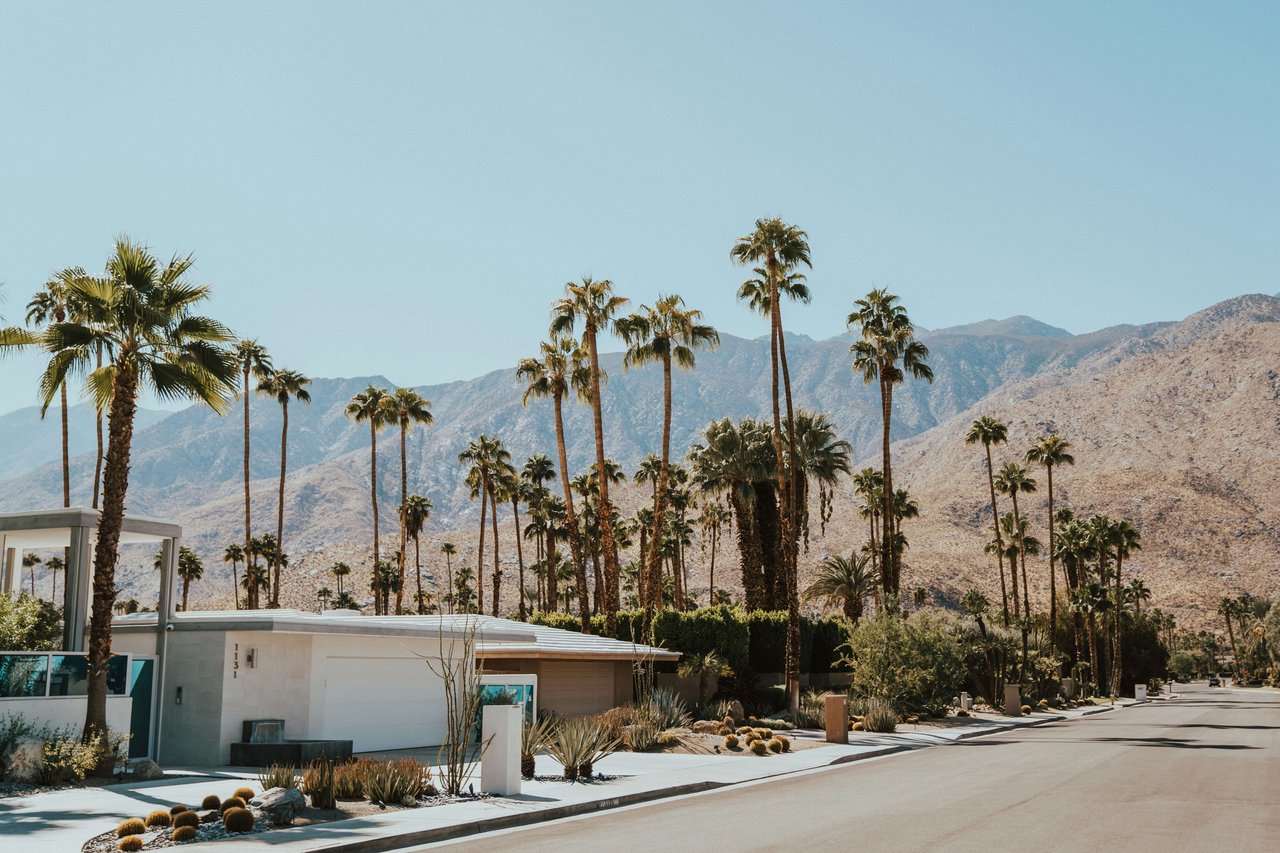
Palm Desert sits 14 miles east of Palm Springs in the Coachella Valley's sweet spot—close enough to the action, removed enough for peace. This is where Mid-century modern architecture meets country club culture, where retirees golf year-round alongside young professionals building tech careers, where El Paseo shopping rivals Rodeo Drive but without the attitude.
The vibe? Polished desert resort living with substance. Not as flashy as Scottsdale, not as sleepy as some retirement havens. You get 350+ days of sunshine, mountain backdrops that stop traffic, and a dining scene that punches above its weight.
Who lives here: Empty nesters and retirees (median age 56.7), second-home owners escaping harsh winters, affluent families drawn to gated communities, and a growing contingent of remote workers who discovered they can have their careers and perfect weather too. Median household income hovers around $79,500—solidly upper-middle-class with pockets of extreme wealth in places like Bighorn and The Vintage Club.
The appeal: Championship golf on tap. World-class dining. Art galleries. Zero snow shoveling. And that intangible California desert magic where casual elegance is the default setting.
Palm Desert started as "Old MacDonald Ranch," morphed into "Palm Village" in the 1920s when date palm groves replaced desert scrub. The area remained agricultural and sparsely populated until the late 1940s.
The transformation began with Shadow Mountain Club (1948)—developer Clifford Henderson's vision featuring a figure-eight pool and polo fields that attracted Hollywood's elite and launched Palm Desert as a destination. This wasn't just a golf club; it was a statement that the desert could rival any resort community.
The 1950s-70s brought the Mid-century modern revolution. Architects William Krisel, Richard Neutra, Albert Frey, and E. Stewart Williams shaped Palm Desert's architectural DNA—clean lines, indoor-outdoor living, walls of glass, natural integration with the desert landscape. The Sandpiper Condominiums (designed by Palmer & Krisel, 1958-1965) exemplify this era's vision of "carefree desert living."
Palm Desert incorporated as a city in 1973. Its population exploded from 11,801 in 1980 to over 51,000 today, making it one of California's fastest-growing cities.
Architectural evolution: Spanish Colonial Revival gave way to Mid-century modern, which evolved into contemporary desert architecture that honors the landscape while embracing technology. Today you'll find everything from preserved 1950s gems to ultra-modern estates carved into hillsides.
Boundaries: Palm Desert spans roughly from Portola Avenue (west) to Washington Street (east), Highway 111 (north) to the Santa Rosa Mountains foothills (south). It's anchored in Riverside County, California.
Proximity:
Highway access: Interstate 10 runs north of the city; Highway 111 is the main arterial running through the Coachella Valley.
Terrain: Desert floor elevation ranges 200-700 feet, with some hillside communities climbing into the Santa Rosa Mountains foothills. The landscape is quintessential Sonoran Desert—sandy soils, desert washes, dramatic rock formations.
Climate:
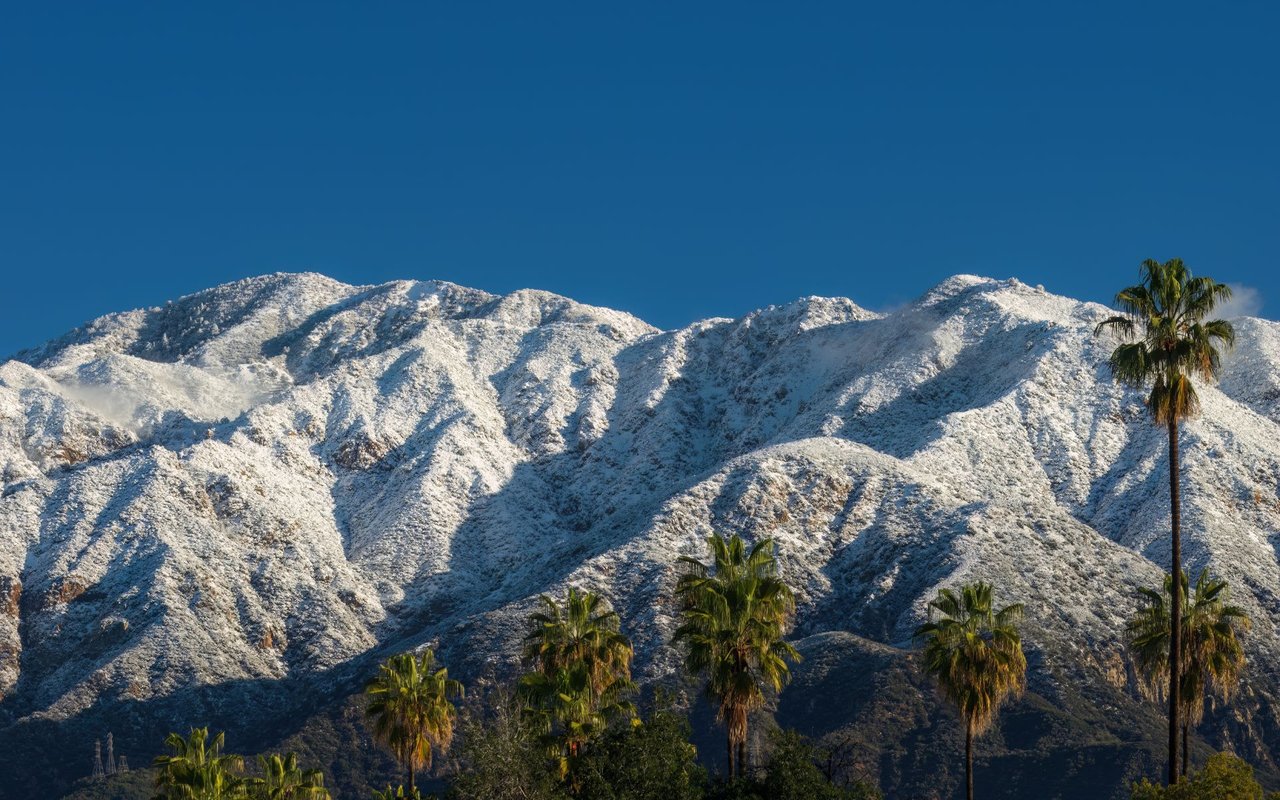
Natural surroundings: Framed by the San Jacinto Mountains to the west and Santa Rosa Mountains to the south. The Living Desert Zoo & Gardens showcases the unique Sonoran Desert ecosystem.
Current pricing (late 2024/early 2025):
Market dynamics:
Inventory trends:
Buyer/seller conditions: Currently favoring buyers. The frenzy of 2020-2022 has cooled. Homes sit longer, sellers are more willing to negotiate, and bidding wars are rare except for exceptional properties in premium locations.
Context: Palm Desert led the Coachella Valley in sales volume despite the broader market slowdown—strong underlying demand remains.
Before you move:
Housing strategy:
Practical adjustments:
Community integration:
HOA fees: Vary dramatically—$200/month in standard communities, $1,500+ in luxury clubs like Bighorn. Scrutinize what's included (golf, tennis, landscaping, security).
Flood zones: Rare but not nonexistent. Desert washes can flood during monsoons. Check FEMA maps, especially for properties near arroyos.
Wildfire risk: Hillside properties face elevated risk. Defensible space requirements apply. Insurance may be expensive or difficult to obtain.
Property age:
Parking/garages: Essential—desert heat destroys car interiors. No street parking in most planned communities.
Zoning: Single-family zones dominate. Short-term rentals restricted in many HOAs—verify if investment income is your goal.
School boundaries: Desert Sands Unified boundaries matter if you have school-age children. Check specific school assignments—quality varies significantly within the district.
Noise considerations:
Market speed: Currently slow (45-119 DOM). Don't rush; inventory will likely remain available.
Orientation: South-facing properties maximize winter sun, minimize summer exposure. North-facing can be cooler but darker.
Pool maintenance: Budget $100-200/month. Nearly every home has one; they're not optional in this climate.
Seasonality is brutal:
List November-January for maximum exposure. Selling in summer often means accepting 10-15% less.
Pricing strategy:
Staging matters more than you think:
Buyer demographics:
Upgrades that pay off:
What doesn't pay off:
Disclosure requirements: Solar panel leases, HOA litigation, special assessments—transparency prevents deal-killers at closing.
Competition: You're competing with inventory across the entire Coachella Valley. Differentiate or price accordingly.
El Paseo—The Rodeo Drive of the Desert: The backbone of Palm Desert's dining scene. This mile-long shopping district offers:
Upscale dining:
Casual-elevated:
Wine bars and lounges proliferate: El Paseo has become a destination for wine flights and craft cocktails.
Beyond El Paseo:
Entertainment:
Nightlife is subdued compared to Palm Springs—this is dinner-and-wine territory, not club scene.
City-managed assets:
Notable parks:
Golf:
Trails:
The Living Desert Zoo & Gardens: 500 animals, 150 species, 80 acres. Combines zoo with botanical gardens showcasing desert ecosystems. Over 500,000 annual visitors. World-class facility.
Pickleball explosion: Courts at Freedom Park, Cahuilla Hills, Palm Desert Community Center—fastest growing sport locally.
Dog parks: Multiple locations with large/small dog sections. Homme Adams Park features off-leash natural area.
Community gardens: Open to residents/business owners, $35/season rental.
Elementary (top-rated):
Middle schools:
High schools:
District performance:
Higher education:
Preschools: Numerous options including Montessori, faith-based, and developmental programs.
Reality check: Families prioritizing top-tier public education often look to other California markets. Private school or the best DSUSD schools are recommended paths.
Major highways:
Commute realities:
Palm Springs International Airport (PSP):
Public transportation:
Bike-friendliness:
Remote work advantage: Palm Desert thrives on remote workers—consistent internet, peaceful environment, no traditional commute stress.
Traffic patterns:
Average commute time (for those who work outside home): 22.4 minutes—significantly shorter than California metro averages.
Bighorn Golf Club (Off Highway 74, Santa Rosa foothills)
The Vintage Club (Indian Wells border)
Indian Ridge Country Club (Central Palm Desert)
PGA West (La Quinta border)
Palm Desert Country Club (East side, near Bermuda Dunes)
Monterey Country Club (West side, near Rancho Mirage)
Desert Horizons Country Club (North Palm Desert)
South Palm Desert neighborhoods - More affordable entry points, larger lot sizes, less restrictive HOAs
Cahuilla Hills - Hillside locations, hiking access, views, proximity to trails
Sagewood - Maintained community, family-friendly, good value
Santa Rosa Cove - Newer construction, modern floor plans
Streets with cachet valley-wide:
What drives desirability:
The bottom line
Palm Desert is a deliberate choice for quality-of-life optimization. You trade career acceleration, educational excellence, and urban vitality for sunshine, golf, safety, and a relaxed pace. It's aspirational desert living with substance—not flashy, not cheap, but genuinely appealing if the lifestyle fits your priorities.
If you're 50+, financially comfortable, and done with winters and traffic, Palm Desert might be your promised land. If you're 35 with school-age kids and a corporate career, you'll likely find it limiting.
Choose accordingly.
There's plenty to do around Palm Desert, including shopping, dining, nightlife, parks, and more. Data provided by Walk Score and Yelp.
Explore popular things to do in the area, including Custom Vintage Wine Cellars, Restaurant Express, and 4 Seasons Swimwear Team Aquatics.
| Name | Category | Distance | Reviews |
Ratings by
Yelp
|
|---|---|---|---|---|
| Dining | 0.61 miles | 0 reviews | 0/5 stars | |
| Dining | 0.63 miles | 0 reviews | 0/5 stars | |
| Shopping | 0.69 miles | 0 reviews | 0/5 stars | |
| Shopping | 0.73 miles | 9 reviews | 1/5 stars | |
| Active | 0.26 miles | 0 reviews | 0/5 stars | |
| Active | 0.56 miles | 0 reviews | 0/5 stars | |
| Active | 0.59 miles | 0 reviews | 0/5 stars | |
| Active | 0.63 miles | 15 reviews | 4.3/5 stars | |
| Active | 0.65 miles | 9 reviews | 4.9/5 stars | |
| Active | 0.66 miles | 18 reviews | 3.9/5 stars | |
| Active | 0.66 miles | 0 reviews | 0/5 stars | |
| Active | 0.69 miles | 7 reviews | 3.4/5 stars | |
| Active | 0.72 miles | 0 reviews | 0/5 stars | |
| Active | 0.74 miles | 2 reviews | 2.5/5 stars | |
| Active | 0.74 miles | 0 reviews | 0/5 stars | |
| Active | 0.75 miles | 0 reviews | 0/5 stars | |
| Active | 0.76 miles | 1 review | 1/5 stars | |
| Active | 0.76 miles | 1 review | 5/5 stars | |
| Active | 0.8 miles | 2 reviews | 5/5 stars | |
| Beauty | 0.44 miles | 0 reviews | 0/5 stars | |
| Beauty | 0.79 miles | 0 reviews | 0/5 stars | |
| Beauty | 0.79 miles | 0 reviews | 0/5 stars | |
| Beauty | 0.81 miles | 0 reviews | 0/5 stars | |
|
|
||||
|
|
||||
|
|
||||
|
|
||||
|
|
||||
|
|
Palm Desert has 24,145 households, with an average household size of 2.11. Data provided by the U.S. Census Bureau. Here’s what the people living in Palm Desert do for work — and how long it takes them to get there. Data provided by the U.S. Census Bureau. 51,551 people call Palm Desert home. The population density is 1,923 and the largest age group is Data provided by the U.S. Census Bureau.
Total Population
Population Density Population Density This is the number of people per square mile in a neighborhood.
Median Age
Men vs Women
Population by Age Group
0-9 Years
10-17 Years
18-24 Years
25-64 Years
65-74 Years
75+ Years
Education Level
Total Households
Average Household Size
Average individual Income
Households with Children
With Children:
Without Children:
Marital Status
Blue vs White Collar Workers
Blue Collar:
White Collar: